Fall and inactivity alerts
Camera-free sensors can flag a possible fall or an unusual change in movement.
A prompt for a timely check-in.
Elderly care technology in Singapore
Your parent can keep the routines and privacy that make home feel like theirs. Majestic Robotics brings camera-free sensing, voice-first help and responsive lighting together for HDB living.
Start with the home
Tell us what would make daily life feel safer. A specialist will follow up to discuss the flat and your family's needs.
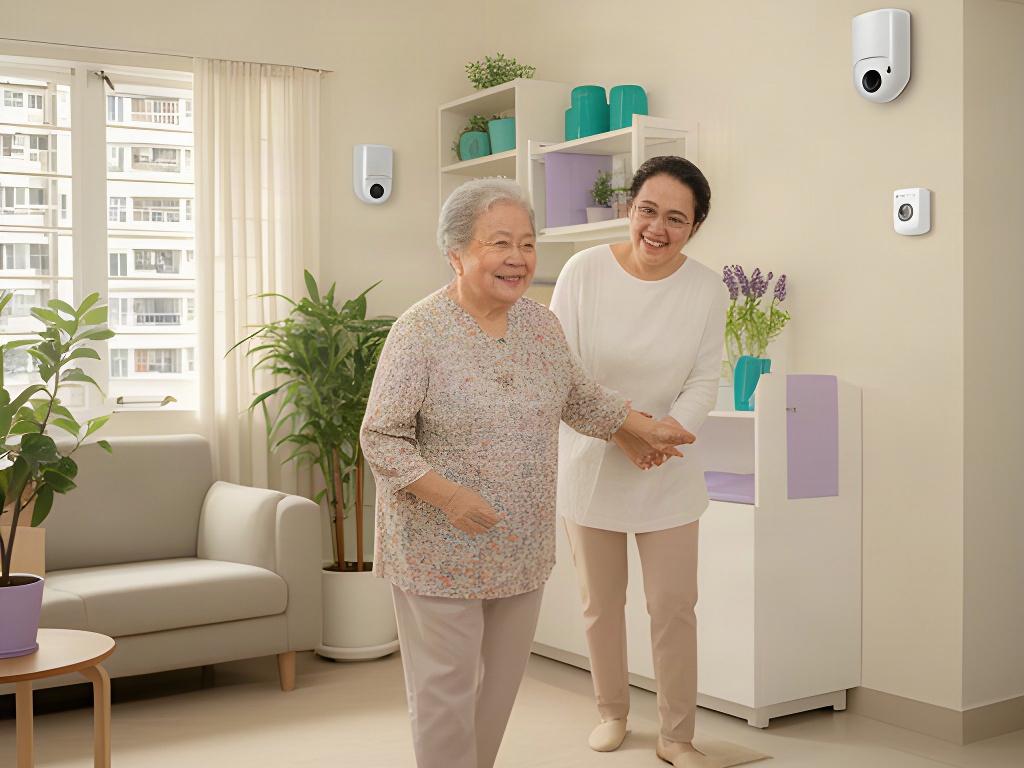
Designed around camera-free options, with alerts shared according to rules agreed with the senior.
Everyday support
Small changes matter. Each feature has a clear job in the home.
Camera-free sensors can flag a possible fall or an unusual change in movement.
A prompt for a timely check-in.
Movement-responsive lights can guide a path between the bedroom, bathroom and kitchen.
Less searching in the dark.
Spoken prompts can support medication, meals and appointments without asking someone to navigate an app.
Simple to hear and respond to.
An AI care assistant can help a senior reach an agreed family contact when they need support.
Help should feel within reach.
Built around real households
The right setup depends on who lives there and what a normal day looks like.
We can focus on movement changes, a simple emergency contact route and lighting near the bed and bathroom. Sensor placement is planned for the actual floor plan.
A practical setup that respects a compact home.
Each person may need different reminders or alert thresholds. The assessment maps shared spaces while keeping individual support in mind.
Support for both partners, without treating them as one.
A family can start with night lighting and selected alerts, then review the arrangement as mobility changes. It complements the discharge plan, not medical care.
A home setup that can be reviewed as recovery progresses.
Voice reminders can support familiar routines and give a caregiver a signal when an agreed check-in is missed. Prompts should be calm and easy to change.
Helpful cues that fit the person's routine.
A thoughtful fit
It works best when the senior has a say in what is installed and who receives an alert. Start with one concern that affects daily life.
Ask what would make home feel easier. Agree on the alerts together, and explain what each sensor can and cannot detect.
Technology can miss events or send an alert that needs checking. It does not replace emergency services, regular visits or medical advice. For an immediate emergency in Singapore, call 995.
Privacy by design
A senior should know what is being sensed, who can see an alert and why it is shared. Monitoring is limited to the purpose the household agrees on.
Read our privacy approachSensor options are explained before installation, including what they detect and their limits.
The senior and family can set who receives alerts and review those choices when circumstances change.
The setup sends selected notifications when an agreed event or pattern needs attention. It is not a live view into someone's home.
Clear answers
No. Voice-first controls and simple reminders can be set up around familiar routines. A caregiver may use a phone for settings, while the senior can interact by voice or use an agreed contact method.
The system can send an alert to the agreed caregiver contacts. They decide the next step, including calling the senior or emergency services if needed. Sensor detection can be imperfect, so alerts should be treated as a prompt to check.
Suitability depends on the flat's signal and the devices selected. During an assessment, we can check coverage and discuss placement or connectivity options before recommending a setup.
Yes. Contact access and alert routing can be reviewed as the care arrangement changes. The senior should be included in that discussion wherever possible.
No. Sensors can support a care plan by flagging selected events. They cannot provide companionship, assess health or replace in-person care and emergency response.
Plan for the actual flat
A care-focused specialist will discuss the floor plan, daily routines and the alerts your family wants. Assessments are available across Singapore, including HDB estates.
Tell us what matters to your parent. We will discuss sensor choices, alert contacts and installation needs before any setup is agreed.