Place sensors where they matter
We review the senior's routine and identify useful coverage for rooms such as the bedroom, bathroom approach and living area. The final layout depends on the flat and the resident's preferences.
Privacy-first home safety
Majestic Robotics offers non-intrusive fall detection in Singapore using room sensors, not cameras in living or sleeping areas. Alerts are safety signals. They don't diagnose an injury or replace emergency services.
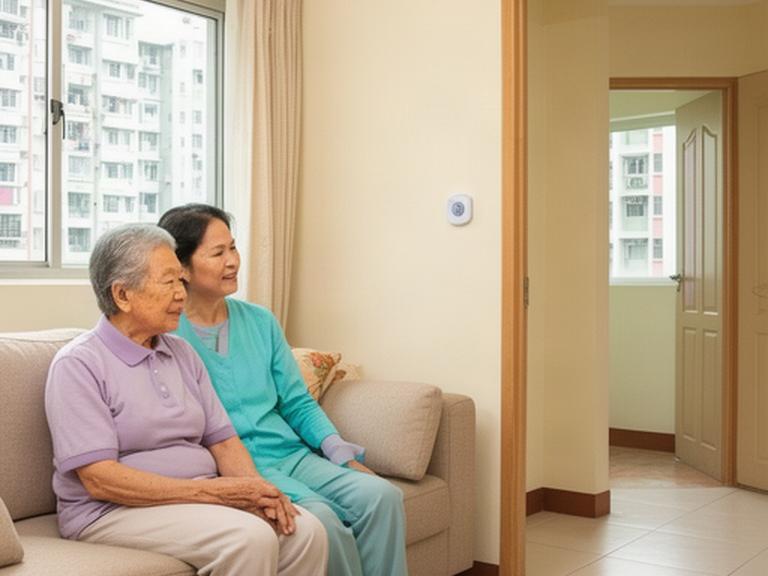
The setup uses room-level presence and movement sensing rather than video. Your family chooses which areas need coverage and who receives alerts. You can discuss the sensor locations and notification plan before anything is installed.
A clear response path
The system looks for changes in room activity, then follows the contact plan agreed with your family. No camera feed to check.
We review the senior's routine and identify useful coverage for rooms such as the bedroom, bathroom approach and living area. The final layout depends on the flat and the resident's preferences.
Presence and motion patterns provide context for alerts, including a fall-like event or prolonged inactivity. Normal routines differ, so settings should be reviewed with the household.
A safety notification can go to designated family or caregiver contacts for follow-up. Your family sets the response sequence and decides when to contact emergency services.
Know what an alert can do. Sensor alerts can prompt a check-in; they cannot confirm an injury, assess a person's condition or guarantee that every fall will be detected.
Built around real home routines
An inactivity sensor for an elderly home needs to fit the resident's day, the shape of the flat and the people available to respond.
Plan coverage for a compact layout where the bedroom, living space and daily routine sit close together. Keep the resident's privacy at the centre.
Review movement through the home as mobility changes. Sensor placement can be discussed alongside the family's care arrangements.
Talk through who should receive an alert when one person has limited mobility and the other may be unable to help straight away.
Agree on a contact plan for the hours when a helper is not in the flat, including who checks in and how concerns are escalated.
Choose the right level of sensing
For many households, room sensors offer a better fit because they don't create a video view of daily life. Majestic Robotics offers camera-free sensing as the default approach.
If a family is considering extra sensing, discuss the reason, the room and the senior's clear agreement first.
Movement and presence-based safety signals, without viewing a live image of the room.
No camera in living or sleeping areas as part of this camera-free setup.
Activity patterns and sensor events can prompt a check-in; they don't show what happened.
Video may provide visual context, depending on the device, placement and access settings.
A camera records or streams an image area, so placement and access need careful discussion.
Visual monitoring may show activity, but it still cannot provide a medical diagnosis.
A family's perspective
"Mum was comfortable with the setup because there was no camera in her bedroom."
Discuss the layout with the senior before installation, especially in bedrooms and other private areas.
Clear answers, before you decide
Every flat and care routine is different. Start with the details that affect your family.
Camera-free fall detection uses sensors rather than cameras in living or sleeping areas. If you are considering another type of device, ask about its placement, image access and the senior's consent before making a decision.
The system can send a notification to the contacts your family has designated. Agree in advance who checks the alert, how they contact the resident and when they should call emergency services. Alerts are not a substitute for emergency response.
Sensors can misread activity or miss an event. A review of the resident's routine and sensor placement can help make alerts more relevant, but no system can promise that false alerts will never happen.
Timing depends on the flat layout, the agreed sensor locations and scheduling. Request an assessment to discuss your home and the next available steps. Rental flat safety technology may also need coordination with the relevant household or property contact.
No. It can provide safety signals based on sensor activity, but it cannot diagnose an injury or assess a person's medical condition. Contact emergency services when the situation calls for urgent help.
Start with the home and the routine
Tell us about the flat and the support already in place. Majestic Robotics will use those details to discuss sensor coverage and a contact plan for your household.
Serving households across Singapore, including HDB estates and rental flats. Installation details are confirmed after the home assessment.